Enterprise Integration • Miami
Application Integration Services — Seamless System Connectivity
Architect, implement, and operate reliable integrations across cloud, on-prem, and hybrid systems. We deliver API-led designs, middleware deployments, and data pipelines tailored to Miami businesses and regional operations.
Estimate Your Idea Now
Your idea stays confidential · NDA available
Integration Strategy & Delivery
Connect systems, automate workflows, and unlock data value
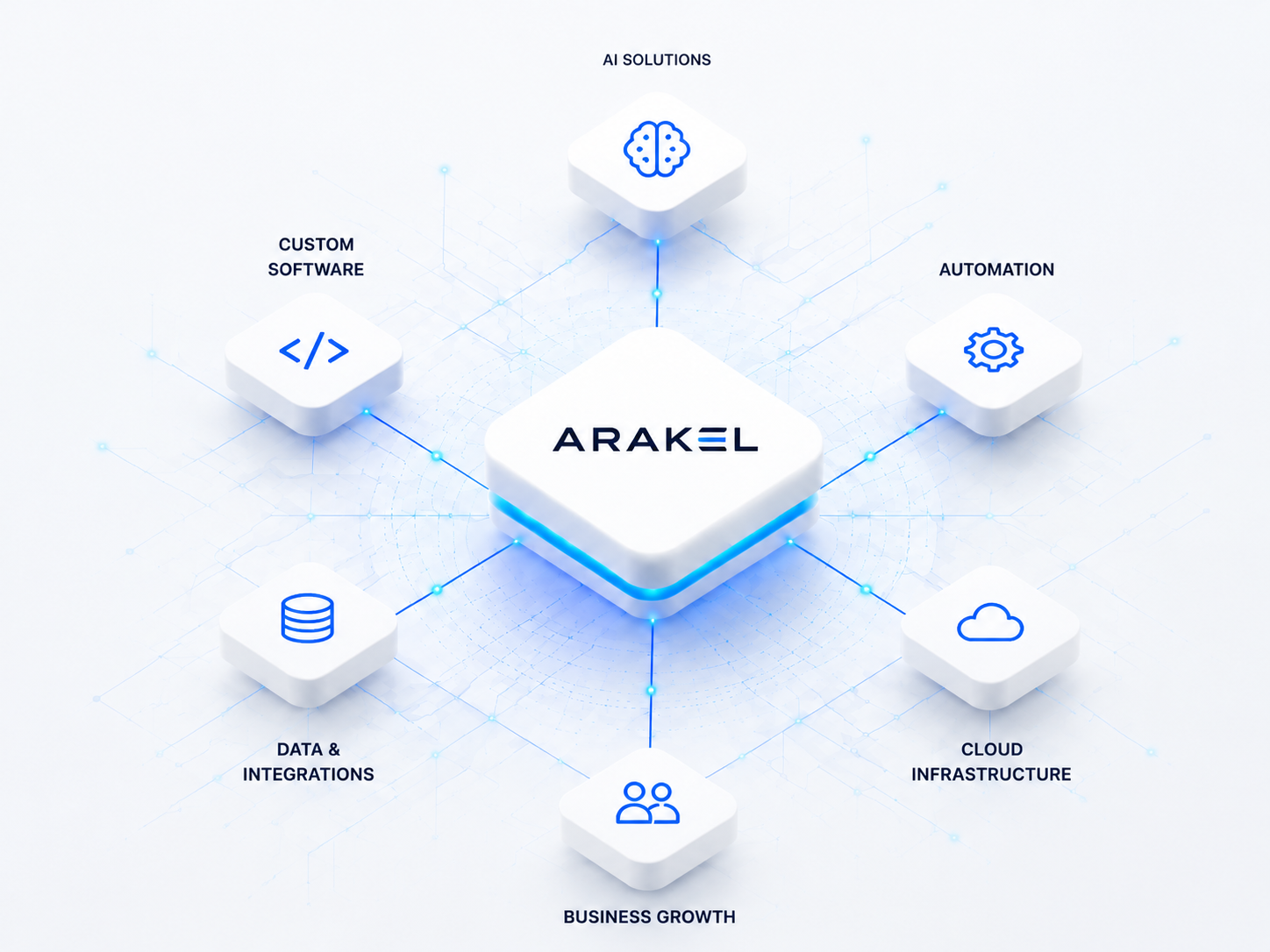
Arakel Holdings provides technical engineering and integration services focused on connecting disparate applications, databases, and cloud platforms into cohesive, secure workflows. Our approach emphasizes clear interface contracts, observability, and scalable architecture tailored for enterprise needs in Miami and the broader Southeast region.
We design solutions that reduce operational friction—API gateways, message routing, event streaming, and data transformation—so existing systems communicate reliably while minimizing change to business-facing applications.
capabilities_eyebrow
Core Capabilities
What we deliver
Integration Assessment & Roadmap
Technical inventory, dependency mapping, and a phased integration roadmap that balances risk, cost, and business priorities.
API Design & Management
API-first design, versioning strategy, developer portals, and policies for rate limiting, authentication, and lifecycle management.
Middleware & iPaaS Implementation
Selection and deployment of middleware, ESB, or iPaaS solutions to orchestrate cross-system workflows and standardize connectivity patterns.
Data Mapping, Transformation & ETL
Schema mapping, canonical data modeling, real-time transformation, and batch ETL pipelines to ensure data consistency and integrity.
Security, Identity & Compliance Integration
Secure transport, OAuth/OIDC/SAML integration, token management, and architecture patterns that reduce attack surface and meet organizational controls.
Monitoring, Testing & Operational Support
End-to-end observability, automated testing (contract, integration, load), deployment automation, and runbook-driven support for production operations.
Event-Driven & Streaming Architectures
Design and delivery of publish-subscribe and event-driven systems using message brokers and streaming platforms to enable low-latency integrations and microservices communication.
Legacy System Integration
Adapters and facades for mainframes, older ERPs, and proprietary databases to expose capabilities via modern APIs without large rip-and-replace projects.
Common Integration Challenges
Problems we solve
Enterprises face connectivity complexity when systems, protocols, and data models differ. We address these friction points with pragmatic engineering and governance.
How We Work
Integration engagement process
Discovery & Technical Assessment
Collect system inventories, integration points, data schemas, security constraints, and business objectives to establish project scope and risk profile.
Architecture & Roadmap
Design target architecture (API topology, middleware, streaming, data models), define interfaces, and create a phased delivery plan with milestones.
Implementation & Development
Build APIs, adapters, data pipelines, and orchestration logic with automated tests, code reviews, and infrastructure-as-code for repeatable deployments.
Integration Testing & Validation
Execute contract testing, end-to-end integration tests, performance validation, and security assessments prior to production release.
Deployment & Cutover
Coordinate deployment, data migration, and cutover plans with rollback strategies and monitoring to minimize business disruption.
Miami-Focused Delivery
On-the-ground engineering for Miami businesses
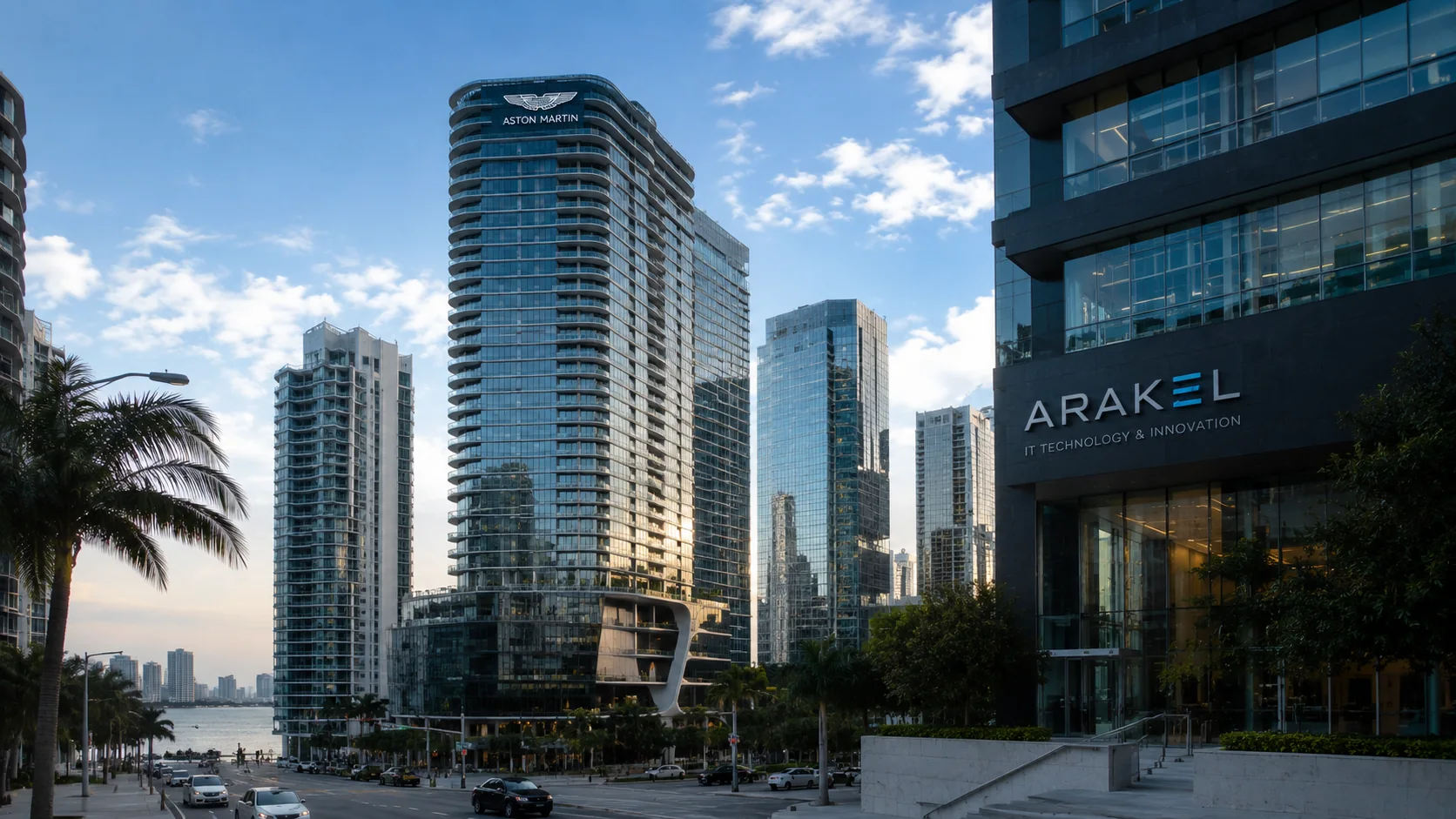
Our Miami-based engineering teams combine regional availability with remote delivery practices. We provide architecture workshops, on-site discovery sessions, and bilingual technical resources when needed to support regional stakeholders.
We design integration solutions that respect local operational models, time zone coordination with enterprise teams, and connectivity patterns common in Miami-area deployments while ensuring compatibility with global cloud providers.
faq_eyebrow
FAQs
Frequently asked questions
What systems can you integrate?
We integrate cloud platforms, SaaS applications (CRM, ERP), databases, legacy systems, message brokers, and custom applications. Our approach is technology-agnostic and driven by interface contracts and business requirements.
Do you support cloud, on-premises, and hybrid architectures?
Yes. We design integration architectures that operate in cloud, on-premises, and hybrid environments, using secure network patterns, proxies, and connectors appropriate to each deployment model.
How do you handle security and data protection?
Security is included from design through operations: encrypted transport, token-based authentication (OAuth/OIDC/SAML where applicable), least-privilege access, secure credential management, and monitoring for anomalous activity.
What is the typical timeline for an integration project?
Timelines vary based on scope and complexity. Small integration projects may be completed in weeks; enterprise-grade initiatives with architecture, migration, and multiple stakeholders commonly run over months. We provide a scoped delivery plan after the initial assessment.
Can you integrate with legacy or proprietary systems?
Yes. We build adapters, facades, and data extraction layers to expose legacy capabilities without requiring wholesale replacement, enabling incremental modernization.
What support and maintenance do you provide after deployment?
We offer operational handover, runbooks, monitoring, and ongoing support options. Engagements can include SLA-based support, incident response procedures, and iterative improvements to the integration estate.
How do you ensure integrations remain maintainable over time?
We apply API versioning, documentation, automated tests, observability, and infrastructure-as-code practices to reduce technical debt and make future changes predictable and low-risk.
Do you provide on-site services in Miami?
Yes. We conduct on-site discovery workshops, architecture sessions, and coordinated cutover activities in Miami as part of blended delivery models.
Get Started
Start your integration initiative in Miami
Partner with Arakel Holdings to design and deliver robust application integrations that reduce manual work, improve data reliability, and enable faster business processes. We provide technical assessments, architecture design, implementation, and operational support tailored to Miami enterprises.
Analyze My ProjectRequest an integration assessment, schedule an architecture workshop, or book a technical discovery session.