Enterprise CRM Development — Miami-based Engineering
CRM Developers Miami: Custom CRM, Integrations & Automation
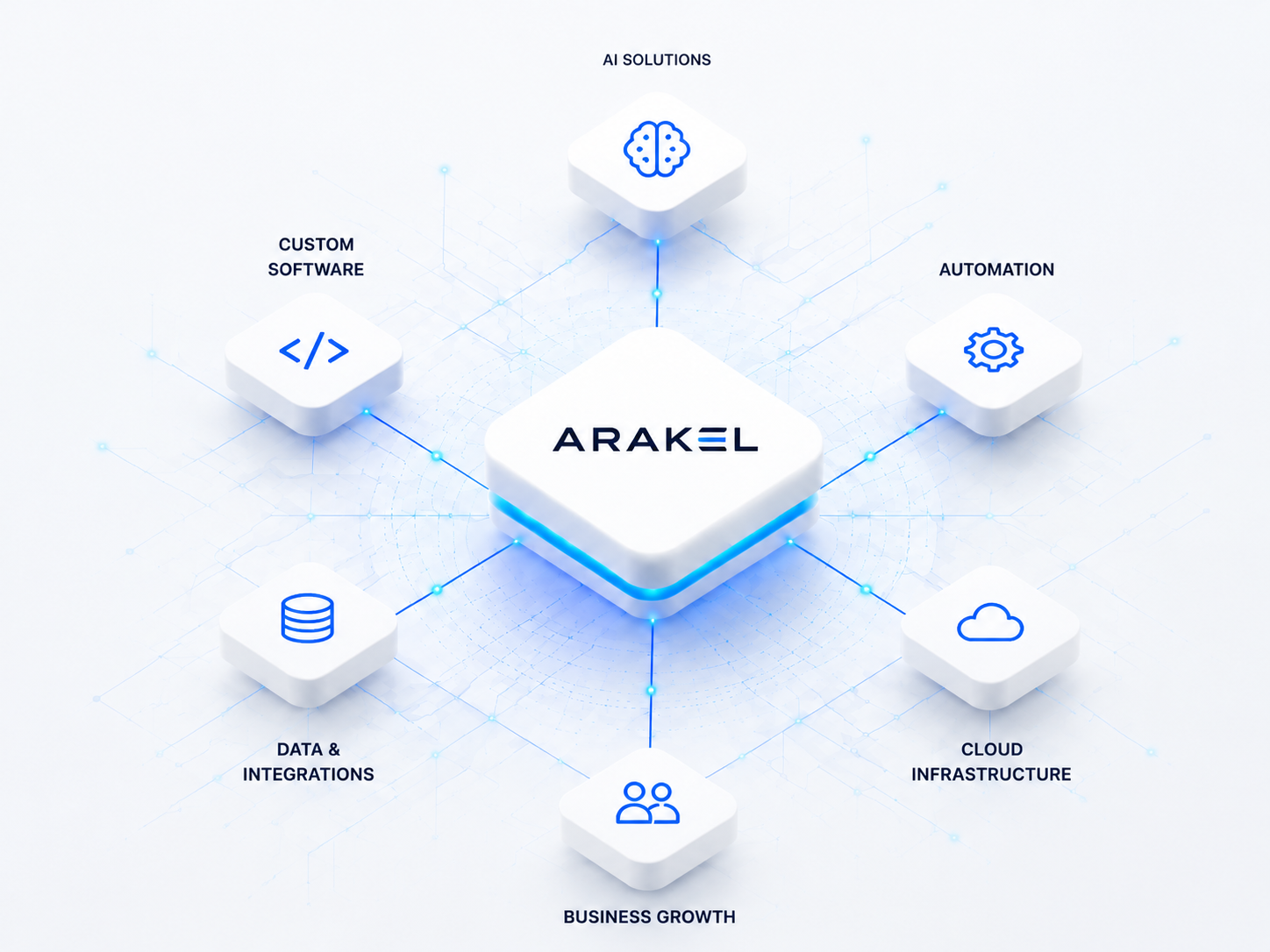
Arakel Holdings delivers purpose-built CRM engineering for Miami businesses: bespoke CRM platforms, migrations from legacy systems, API-first integrations, automated sales and service workflows, and analytics-ready data models. Engage local developers experienced in enterprise deployments and secure data handling.
Estimate Your Idea Now
Your idea stays confidential · NDA available
Why Miami Companies Choose Local CRM Engineers
CRM development engineered for growth, compliance, and operational efficiency
Miami firms require CRM solutions that reflect unique sales motions, multilingual support, and regional compliance. Our CRM developers combine software engineering, systems architecture, and business process design to deliver solutions that scale across teams and channels.
We design CRM systems for real-world operations: consolidated customer profiles, event-driven integrations with ERP/commerce/payment gateways, automated workflow orchestration for lead-to-order lifecycles, and data models that enable reliable reporting and machine learning.
Projects range from full custom CRM platforms to bespoke extensions and integrations for leading CRMs. We prioritize security, auditability, and maintainable code so your CRM delivers value without operational risk.
Core CRM Capabilities
What our CRM developers deliver
Custom CRM Architecture & Development
Design and build custom CRM platforms or modules with modular microservices, event-driven data flows, multi-tenant considerations, and clear domain models tailored to sales, service, or partner channels.
Data Migration & Consolidation
Planned extraction, transformation, and validation for migrating contacts, deals, activities, and historical records from legacy CRMs or spreadsheets into a clean, reconciled customer graph.
Systems Integration & APIs
Integrate CRM with ERP, ecommerce, marketing automation, telephony, and analytics via robust APIs, middleware, and message buses to ensure consistent customer state across systems.
Workflow Automation & Process Orchestration
Implement automated lead routing, SLA enforcement, renewal reminders, quote approvals, and custom business rules using low-latency automation engines and monitored job processing.
Analytics, Reporting & Data Instrumentation
Model CRM data for reliable attribution and forecasting. Implement event tracking, dimensional schemas, and BI-ready exports to support operational and executive reporting.
Security, Compliance & Access Controls
Apply role-based access, encryption at rest and in transit, audit logging, and secure onboarding processes to meet internal governance and regulatory expectations.
Ongoing Support & Iterative Improvements
Provide SLA-driven support, iterative feature delivery, and technical roadmaps that adapt the CRM to evolving sales strategies and market needs.
Platform Extensions & Migration Consulting
Assess off-the-shelf CRM platforms (Salesforce, Dynamics, HubSpot, others) vs. custom builds and deliver extensions, connectors, or full migrations based on ROI and technical fit.
Common CRM Challenges
Problems we solve for Miami businesses
We address issues that block CRM value realization, from fragmented data to brittle integrations and manual processes that increase cost and slow growth.
How we engage
CRM development process — from discovery to production
Discovery & Requirements Engineering
Workshops with stakeholders to map processes, data sources, integrations, security needs, and success metrics. Produce prioritized requirements and an actionable backlog.
Architecture & Design
Define system architecture, data model, integration patterns, and non-functional requirements (scalability, observability, security). Deliver technical designs and roadmaps.
Implementation & Iterative Development
Develop features in short sprints with continuous integration, automated testing, and staging deployments. Focus on measurable milestones and incremental value delivery.
Integration, Migration & Validation
Execute data migration with validation suites, integrate services using resilient middleware, and perform end-to-end testing with real business scenarios.
QA, Performance Tuning & Security Review
Run functional, load, and security testing; tune queries and caching layers; and ensure audit trails and access controls meet governance requirements.
Miami & Florida-Focused
Local presence with enterprise engineering practices
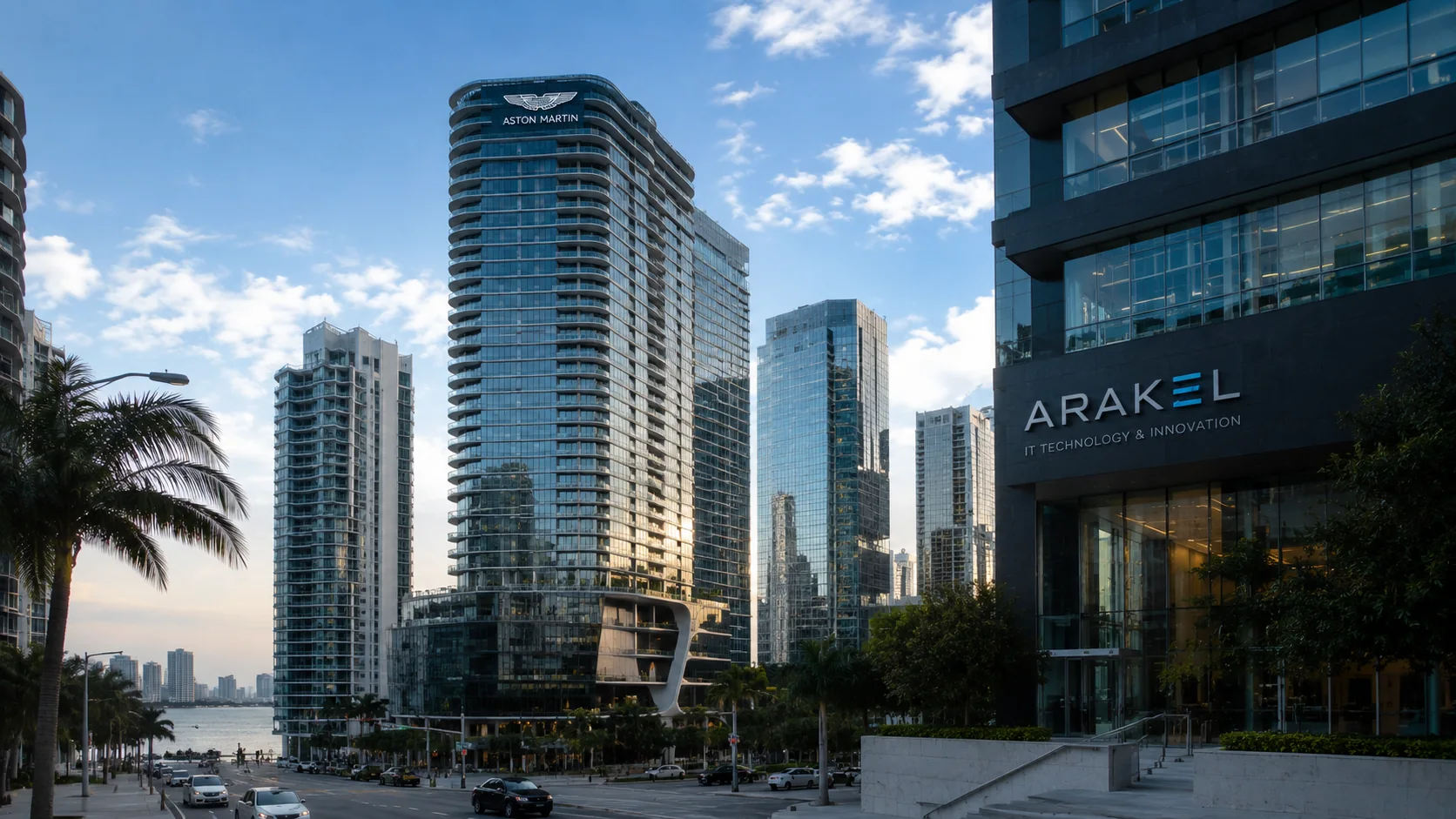
We operate with Miami-based teams and can coordinate on-site sessions or remote engineering collaboration to align with your working practices and schedules.
Our Miami engagements emphasize bilingual communication, awareness of regional business patterns, and practical approaches to local integrations such as payment processors, logistics providers, and regulatory reporting.
Engagements are structured for flexibility: short pilots to validate architecture, followed by phased rollouts for production readiness and team adoption.
CRM Developer FAQs
Common questions from Miami businesses
What CRM platforms do your developers work with?
Our team develops for major CRMs including Salesforce, Microsoft Dynamics, and HubSpot, and we build custom CRM platforms when off-the-shelf solutions do not meet functional or architectural requirements.
How long does a typical CRM project take?
Timelines depend on scope. Small integrations or extensions can be delivered in weeks. Full CRM builds or migrations typically follow a phased roadmap over months with iterative releases—schedules are defined during discovery.
Can you migrate data from legacy systems and spreadsheets?
Yes. We plan extraction, cleansing, transformation, and validation steps, and run migration rehearsals to ensure data integrity and minimize business disruption during cutover.
How do you handle integrations with ERP, ecommerce, or telephony?
We design API-first integrations using middleware patterns, message queues, and event-driven architectures to ensure reliable, observable, and recoverable synchronization between CRM and external systems.
What security controls are implemented in CRM projects?
We implement role-based access, encryption in transit and at rest, audit logging, secure deployment pipelines, and integrate with corporate identity providers to enforce single sign-on and least privilege.
Do you provide ongoing support and maintenance?
We offer ongoing engineering support, monitoring, and iterative feature delivery. Support models are defined per engagement and may include on-call rotations, SLA-backed responses, and scheduled improvement sprints.
How do you approach custom development versus configuring an existing CRM?
We evaluate business requirements, total cost of ownership, integration complexity, and time-to-value. When configuration and extensions meet needs, we prefer that route; when unique processes or scale demands arise, we recommend custom engineering.
How do you ensure a smooth user adoption for the new CRM?
We deliver role-specific interfaces, training materials, change management plans, and phased rollouts. Pilot groups validate workflows and help refine UX before full deployment.
Get Started with Local CRM Engineering
Engage CRM developers in Miami to modernize your customer systems
Start with a technical discovery to assess your current CRM landscape, integration points, and priorities. We deliver pragmatic architectures and phased plans to reduce risk and accelerate value.
Analyze My ProjectAvailable for in-person meetings in Miami, remote technical scoping sessions, and rapid proof-of-concept work. Engagement models include pilots, fixed-scope projects, and dedicated engineering teams.