Database Application Development — Miami
Custom Database Applications Built for Miami Enterprises
Design and deploy high-performance database applications tailored to your business workflows. We combine data architecture, API-driven backends, and enterprise integration to deliver secure, maintainable systems that scale with your organization.
Estimate Your Idea Now
Your idea stays confidential · NDA available
Why Choose Arakel in Miami
Database Applications Engineered for Business Outcomes
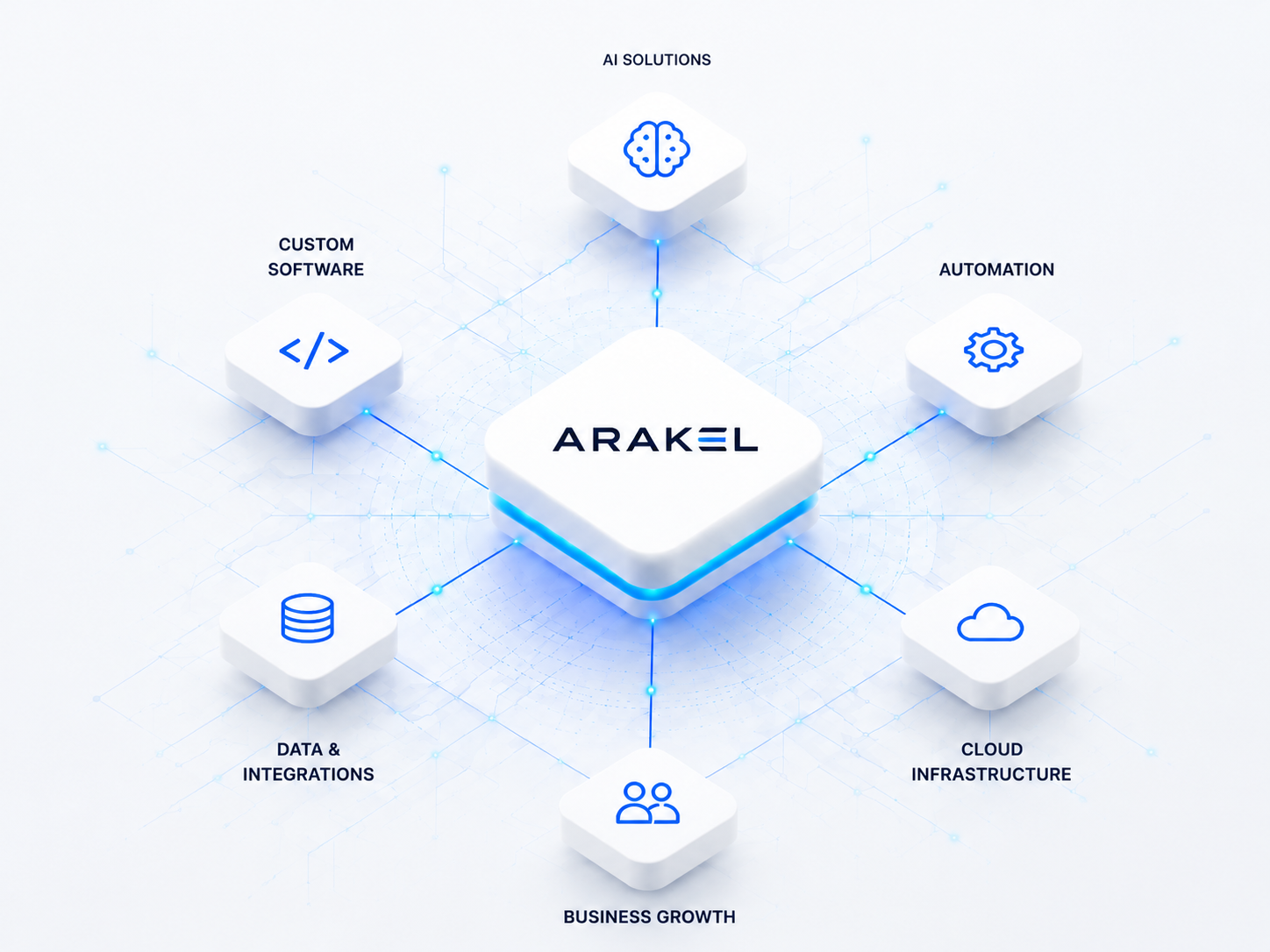
Arakel Holdings delivers end-to-end database application development services for Miami businesses that require reliable data platforms, efficient transaction processing, and secure integrations with existing systems. Our approach focuses on data integrity, performance optimization, and operational continuity.
We architect solutions across relational and NoSQL systems, implement service-oriented backends and REST/GraphQL APIs, and integrate with ERP, CRM, and third-party services to streamline workflows and power analytics.
Our multidisciplinary teams collaborate with stakeholders to translate business rules into normalized schemas, optimized queries, and automated data pipelines that reduce manual effort and accelerate decision-making.
Core Capabilities
What We Deliver
Data Architecture & Modeling
Entity modeling, normalization/denormalization strategies, indexing plans, partitioning and sharding strategies to support scale and transactional integrity.
Backend Development & APIs
Robust server-side application layers with REST/GraphQL APIs, authentication, role-based access control, and efficient data access patterns.
Performance & Query Optimization
Index tuning, query refactoring, caching strategies, and profiling to ensure low-latency responses under peak load.
Integration & Data Synchronization
Reliable connectors, ETL/ELT pipelines, CDC (change data capture) and messaging-based synchronization with ERP, CRM and external APIs.
Security & Compliance
Data encryption at rest and in transit, secure credential management, auditing, and role-driven data protections to meet enterprise security requirements.
Deployment & Operations
Containerized deployments, database migration plans, backup and disaster recovery design, and operational monitoring for SLA-driven availability.
Reporting & Analytics Support
Data marts, optimized reporting schemas, and APIs to feed BI tools and analytics pipelines for actionable business insights.
Maintenance & Continuous Improvement
Versioned schema migrations, performance regressions reviews, and iterative feature delivery aligned to business KPIs.
Common Challenges
Problems We Solve for Miami Businesses
We address the technical and operational issues that cause downtime, data inconsistencies, and slow decision cycles in enterprise environments.
Our Engagement Model
Typical Database Application Development Process
Discovery & Requirements
Stakeholder workshops to capture business rules, data sources, performance requirements, compliance constraints and success metrics.
Architecture & Design
Design data models, API contracts, integration patterns, security controls, and deployment topology for scalability and resilience.
Implementation & Integration
Develop backend services, database schemas, queries, and connectors. Integrate with third-party systems and internal platforms using secure APIs.
Testing & Validation
Functional, performance, security and migration tests, plus data reconciliation checks to validate behavior under realistic loads.
Deployment & Cutover
Production roll-out with migration tools, monitoring, fallback procedures and stakeholder communication for controlled cutover.
Miami-Focused Delivery
Built for Miami Enterprises and Florida Operations
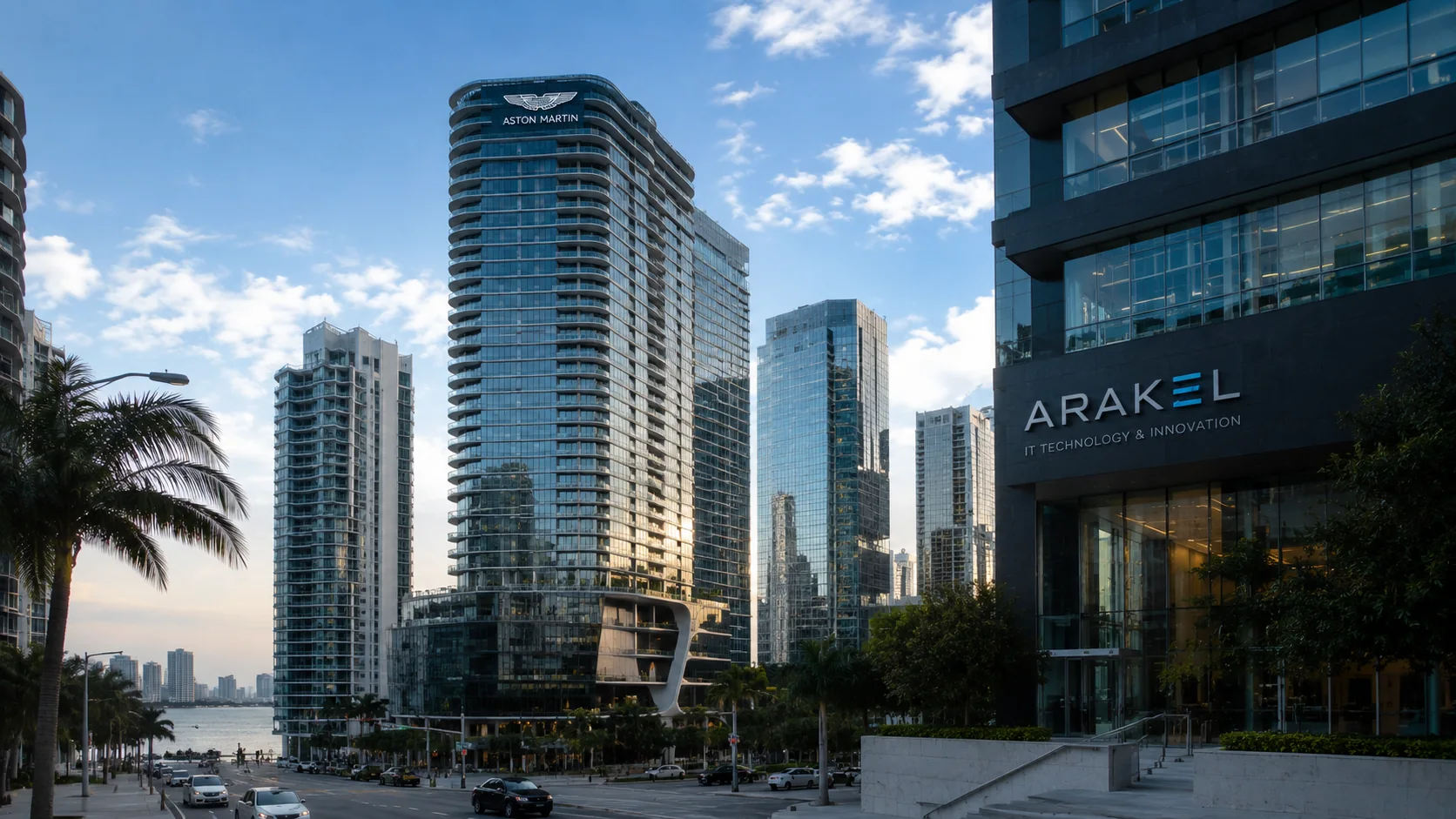
We work with local Miami businesses and multinational operations with Florida footprint to address regional regulatory needs, timezone coordination, and on-site collaboration when required.
Our teams understand the operational rhythms of Miami industries—finance, logistics, hospitality, healthcare—and design database applications that support high transaction volumes, client reporting, and multi-tenant scenarios.
We provide flexible engagement models: fully remote engineering, hybrid onsite-remote collaboration, and short-term on-premise support for critical migrations and audits.
Frequently Asked Questions
Database Application Development FAQs
What database technologies do you work with?
We work with relational systems (PostgreSQL, MySQL, SQL Server, Oracle) and NoSQL platforms (MongoDB, DynamoDB), as well as data warehouses and analytics stores. Technology selection depends on functional and non-functional requirements.
How do you ensure data security and compliance?
We implement encryption in transit and at rest, role-based access control, audit logging, secure credential management, and support for compliance requirements through architectural controls and operational processes.
Can you integrate with our existing ERP or CRM?
Yes. We design and build reliable integration layers—APIs, ETL/ELT pipelines, and messaging connectors—to synchronize data with ERP, CRM and third-party services while preserving data integrity.
How do you handle database migrations with minimal downtime?
We use phased migration strategies, schema versioning, replication and cutover plans with automated validation and rollback procedures to minimize service disruption.
Do you provide ongoing support after deployment?
Yes. We offer operational support, monitoring, performance tuning, security reviews, and iterative enhancements to keep systems aligned with changing business needs.
What performance targets can I expect?
Performance targets are defined during discovery based on transaction volumes and SLAs. We then apply capacity planning, benchmarking and optimizations to meet those targets.
How do you handle backups and disaster recovery?
We design backup strategies, retention policies, point-in-time recovery options and disaster recovery procedures that align with your RTO and RPO objectives.
How long does a typical project take?
Project timelines vary by scope. A minimal database application or integration can be delivered in weeks, while larger enterprise projects with complex migrations typically span several months. Timelines are refined during the discovery phase.
Start Your Project
Engineer a Database Application That Scales with Your Business
Contact Arakel Holdings to architect and build database applications that reduce operational friction, enable real-time decision-making, and integrate seamlessly with your enterprise systems. We provide pragmatic roadmaps, secure implementations and operational plans tailored to Miami organizations.
Analyze My ProjectRequest a technical consultation, architecture review, or proof-of-concept to evaluate fit and approach.