Inventory Management Software — Miami
Custom Inventory System Development for Miami Businesses
Design, build, and deploy inventory systems that provide real-time visibility, reduce stock variance, and automate warehousing workflows. Scalable solutions for single-site retailers to multi-location distributors.
Estimate Your Idea Now
Your idea stays confidential · NDA available
Miami-based Engineering
Purpose-built inventory systems to optimize stock, fulfillment, and operations
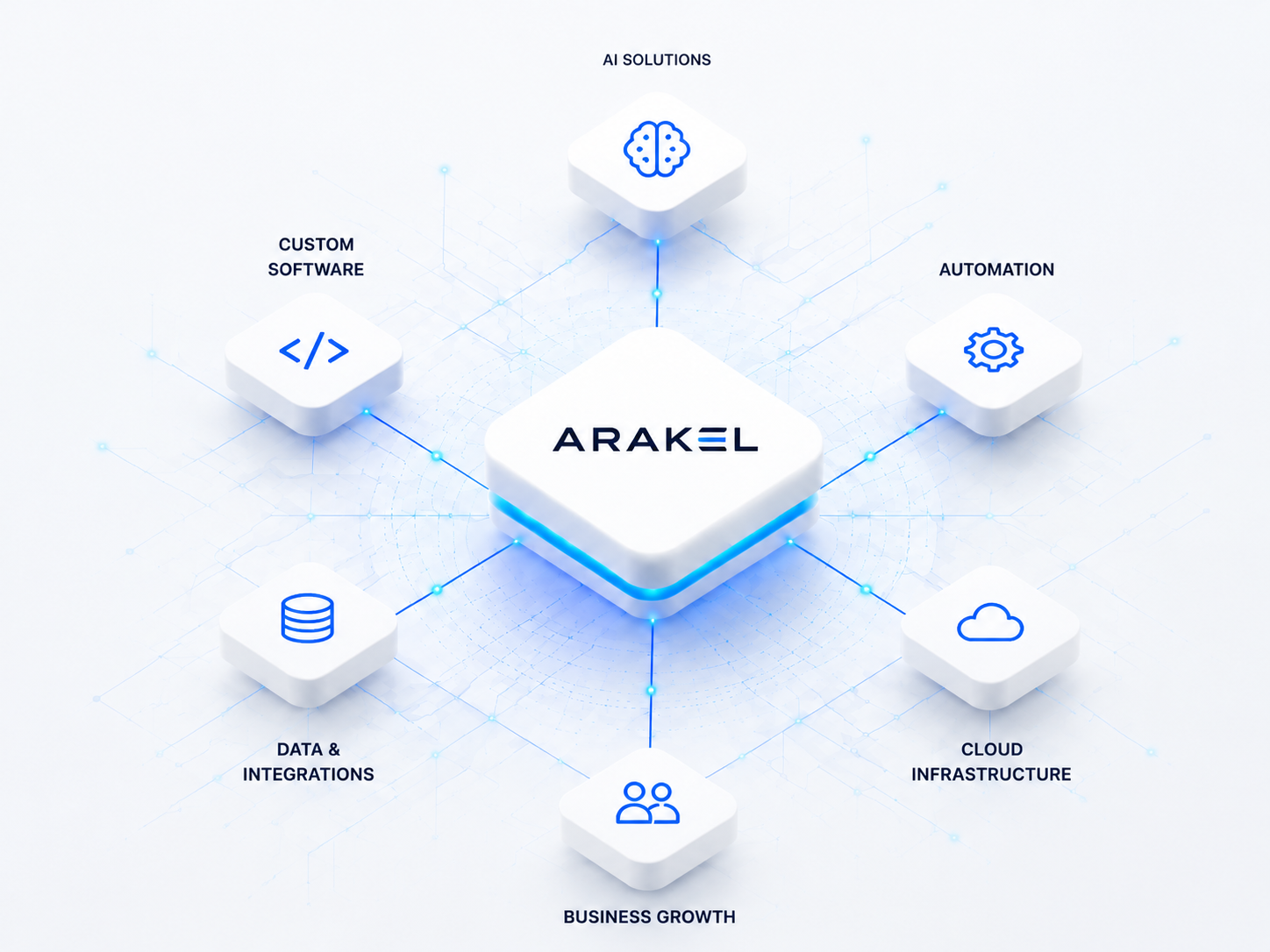
Arakel Holdings LLC partners with Miami organizations to develop inventory management systems that align with operational workflows, technology ecosystems, and growth objectives. We focus on reliability, data accuracy, and integrations that remove manual bottlenecks.
Our engineering teams design cloud-native and on-premise architectures, integrate barcode and RFID hardware, sync with ERPs and e-commerce platforms, and embed automation and analytics to support smarter replenishment and forecasting.
capabilities_eyebrow
What we build
Core inventory system capabilities
Custom Inventory Platforms
Tailored web and mobile inventory applications with configurable product models, multi-warehouse support, role-based access, and user interfaces optimized for warehouse and retail workflows.
Real-time Stock Visibility
Event-driven updates and synchronized ledgers deliver accurate stock levels across locations and sales channels, reducing stockouts and overstocking.
Barcode & RFID Integration
Integration of barcode scanners, handheld terminals, and RFID readers to accelerate receiving, picking, cycle counting, and asset tracking while minimizing human error.
Systems Integration
APIs and ETL connectors to ERP, WMS, point-of-sale, e-commerce, and shipping providers to maintain a single source of truth and automate order-to-fulfillment workflows.
Warehouse Automation & Process Optimization
Automation of replenishment triggers, pick routing, and batch processing to increase throughput and reduce labor costs while preserving operational flexibility.
Analytics & Forecasting
Operational dashboards, KPI monitoring, and demand forecasting models that surface actionable insights for purchasing, stocking, and allocation decisions.
Compliance & Traceability
Audit trails, lot and serial number tracking, and chain-of-custody features to support regulatory or industry-specific traceability requirements.
Maintenance & Support
Ongoing DevOps, SLA-driven support, and iterative feature delivery to keep systems performant and aligned with evolving business needs.
Common inventory challenges
Problems we solve
Inventory issues create direct costs and service failures. We address the root causes with technical solutions and operational changes.
Our approach
Inventory system development process
Discovery & Requirements
Conduct stakeholder workshops, operational observations, and data audits to define inventory objects, processes, KPIs, and integration points.
Architecture & Design
Design system architecture, data models, API contracts, hardware interfaces, and security controls aligned with latency, availability, and compliance needs.
Development & Integration
Iterative implementation of back-end services, user interfaces, mobile workflows, and connectors to ERPs, POS, e-commerce, and hardware devices.
Testing & Validation
Functional, performance, and integration testing including pilot counts and parallel runs to validate accuracy and operational fit before full rollout.
Deployment & Training
Phased deployment, on-site or remote user training, and runbooks for operations teams to ensure a smooth transition and adoption.
Miami service delivery
Local presence, global engineering standards
Our Miami-based teams provide local project management and on-site support while leveraging disciplined engineering practices for secure, maintainable systems.
We work directly with supply chain, warehouse, IT and operations teams in Miami to tailor solutions to regional logistics, workforce practices, and seasonal demand patterns.
faq_eyebrow

Questions businesses ask
Frequently asked questions
How long does a typical inventory system project take?
Timeline depends on scope. Small, single-site projects can take several weeks to a few months; multi-site, heavily integrated systems typically require multiple months and phased rollouts. We provide detailed timelines after the discovery phase.
Which technologies do you use for inventory systems?
We select technology stacks based on requirements, including cloud platforms, relational and document databases, message queues for event-driven updates, REST/GraphQL APIs, and mobile frameworks. Hardware integrations cover barcode scanners, RFID readers, and label printers.
Can you integrate the system with our ERP and e-commerce platforms?
Yes. We build secure, reliable integrations and data synchronization strategies to connect ERPs, WMS, POS, and e-commerce systems while managing data consistency and conflict resolution.
Do you support on-premise and cloud deployments?
We design deployment models to meet performance, latency, and security requirements. Options include cloud-native, hybrid, and on-premise deployments depending on your constraints and preferences.
How do you ensure data security and access control?
Security is embedded in design: role-based access controls, encrypted data in transit and at rest, secure API gateways, audit logging, and adherence to best practices for identity and key management.
What ongoing support and maintenance do you provide?
We offer DevOps, monitoring, scheduled maintenance windows, and prioritized support tiers. We also provide iterative improvement roadmaps to adapt the system as business needs change.
How do you handle change management and user adoption?
We include training programs, documentation, pilot phases, and feedback cycles to refine workflows and accelerate adoption while minimizing operational disruption.
Can the system support automation and AI-driven forecasting?
Yes. We can integrate automation for replenishment and fulfillment logic and incorporate machine learning models for demand forecasting and anomaly detection as part of a phased roadmap.
Ready to modernize inventory
Build an inventory system that scales with your business
Partner with Arakel Holdings LLC to design and deliver inventory systems that improve accuracy, reduce operating cost, and enable faster fulfillment. We provide technical leadership from requirements through deployment and ongoing optimization.
Analyze My ProjectLocal Miami engineering, enterprise-grade architectures, hardware and software integration expertise, and continuous support