Operational Automation — Miami Engineering
Automate Core Operations, Reduce Manual Overhead, Scale Predictably
Arakel Holdings LLC designs and implements operational automation solutions for Miami organizations. We align process engineering, systems integration, and cloud-native automation to eliminate manual bottlenecks, improve throughput, and enable data-driven operations. Solutions include orchestrated workflows, event-driven integration, and runbook automation tailored to enterprise constraints and compliance needs.
Estimate Your Idea Now
Your idea stays confidential · NDA available
Why Operational Automation
Transform manual processes into repeatable, observable operations
Operational automation applies software, integration, and orchestration to execute repeatable business activities with minimal human intervention. In Miami’s competitive markets, automation reduces error rates, shortens cycle times, and frees skilled staff to focus on higher-value work.
We work with operations, IT and engineering teams to map workflows, identify automation candidates, and implement robust automation layers that integrate with ERPs, CRMs, MES, and cloud services. Our approach blends process re-engineering, secure integration patterns, and production-grade monitoring to deliver predictable outcomes for manufacturing, logistics, and service operations.
Engagements scope from targeted tactical automations (task scheduling, data syncs, exception handling) to enterprise-wide orchestration (order-to-cash, field service automation, automated procurement workflows). We prioritize auditability, rollback controls, and operational observability for production readiness.
Core Capabilities
What we deliver for Miami operations
Process Mapping & Automation Strategy
Technical discovery to map end-to-end processes, identify automation candidates, define success metrics, and produce an implementation roadmap aligned with business objectives and compliance requirements.
Systems Integration & Data Orchestration
Design and implement reliable integrations between ERPs, CRMs, WMS/MES, sensors, and cloud platforms using event-driven patterns, APIs, middleware, and message buses to enable consistent data flow.
Custom Automation & Orchestration
Develop custom automation logic, runbooks, and orchestration layers that handle complex business rules, exception workflows, and long-running transactions across heterogeneous systems.
Intelligent Automation & AI Augmentation
Integrate AI-assisted components—document classification, anomaly detection, and decision-support models—to augment automation with predictive and adaptive capabilities while keeping human-in-the-loop controls.
Operational Monitoring & Resilience
Implement observability, alerting, and automated recovery mechanisms to ensure operational continuity, traceability, and fast incident response in production environments.
Managed Automation Services
Ongoing operations support, maintenance, and iterative improvement of automation assets to keep automation aligned with evolving business processes and system changes.
Security, Compliance & Access Controls
Secure automation workflows using role-based access, encryption of data in motion and at rest, audit trails, and integration with corporate identity providers to meet enterprise security practices.
CRM and Sales Operations Automation
Automate lead routing, opportunity updates, quoting workflows, and post-sale processes by integrating CRM systems with back-office and field applications to reduce friction and improve data quality.
Common Operational Pain Points
Problems we solve for Miami businesses
Operational automation addresses repetitive tasks, data silos, slow exception handling, and a lack of end-to-end visibility that impede throughput and increase operational cost.
Our Process
From discovery to production-grade automation
Discovery & Process Assessment
Workshops with stakeholders to capture workflow diagrams, identify automation targets, document system interfaces, define SLAs, and establish measurable objectives.
Architecture & Design
Develop solution architecture, integration patterns, data models, security controls, and implementation plan. Produce a prioritized automation roadmap and technical specifications.
Implementation & Integration
Build automation components, connectors, and orchestration logic; integrate with existing systems; implement testing harnesses and staging environments for validation.
Testing, Validation & Compliance
Execute end-to-end tests, failure scenario tests, and user acceptance testing. Validate auditability, role controls, and retention settings prior to production cutover.
Deployment & Observability
Deploy to production with gradual rollout, enable monitoring, set up alerts and dashboards, and verify performance against success metrics.
Local Presence
Miami-based engineering and operations support
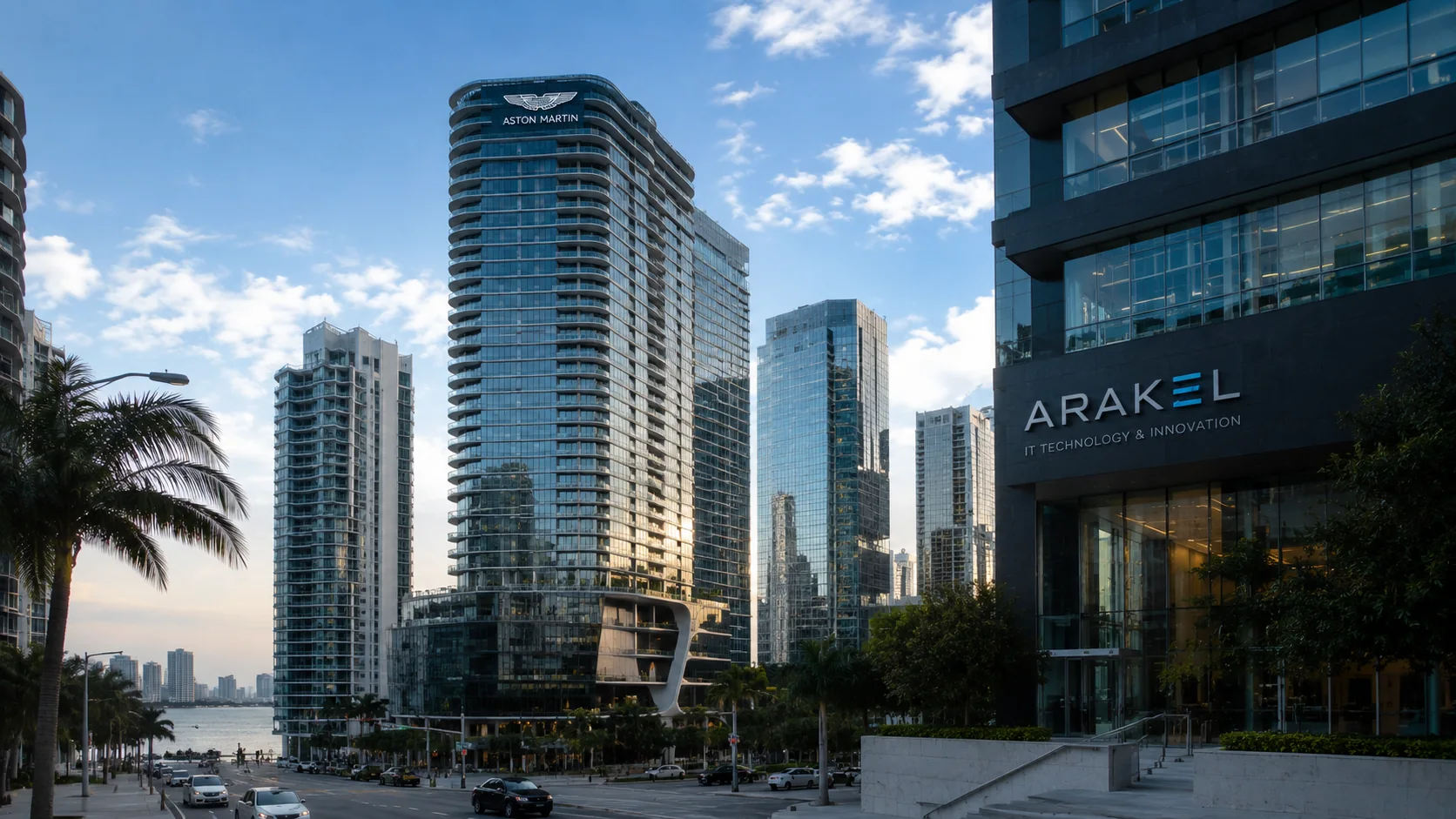
Arakel Holdings LLC operates from Miami and collaborates directly with local teams to design and deploy automation that accommodates Florida business environments, regional supply chains, and bilingual operations where required.
Our local engineering resources coordinate with enterprise IT and operations teams for on-site discovery, integration testing, and phased rollouts. We support eastern time zone schedules and can align workstreams to local business cycles and vendor availability.
For firms with distributed operations, we provide hybrid delivery models combining Miami-based project leadership with remote technical specialists to balance speed, cost, and hands-on collaboration.
FAQ
Operational Automation questions Miami businesses ask
What types of processes are best suited for automation?
Repeatable, rules-based processes with high manual effort or frequent exceptions are primary candidates—examples include order processing, invoice reconciliation, inventory updates, dispatch scheduling, and routine data transformations between systems.
How long does an automation project typically take?
Project duration depends on scope and integration complexity. Targeted point solutions can be delivered in weeks, while enterprise-wide orchestration and cross-system integrations often span several months. We define milestones and deliverables in the initial discovery phase.
How do you ensure automation is secure and auditable?
Security and auditability are part of the design: role-based access, encrypted communication, immutable operation logs, and integration with identity providers. We also design automated approvals and retention policies to meet governance requirements.
Will automation replace operational staff?
Automation removes repetitive tasks and reduces manual errors, enabling staff to focus on higher-value activities such as exception handling, process improvement, and customer-facing work. We design human-in-the-loop controls where decisions require human judgment.
How is AI used in operational automation?
AI is applied selectively to enhance automation—examples include document classification, demand forecasting, anomaly detection, and decision-support. Models are deployed with validation gates and explainability to ensure predictable behavior.
How do you measure the impact of automation?
Impact is measured against predefined KPIs from the discovery phase—common metrics include processing time, error rate, throughput, operational cost per transaction, and mean time to resolve exceptions. We deliver dashboards and reporting to track these metrics.
What systems do you commonly integrate with?
We commonly integrate with ERPs, CRMs, warehouse and manufacturing systems (WMS/MES), payment platforms, and third-party logistics providers using APIs, middleware, message queues, or file-based adapters depending on partner capabilities.
Can you operate and maintain automations after deployment?
Yes. We provide managed services for ongoing monitoring, patching, incident response, and iterative improvements to ensure automations remain aligned with changing business needs and upstream system updates.
Get Started
Build resilient operations with automation in Miami
If your business seeks to reduce manual work, improve data consistency, and scale operations without linear headcount growth, we provide technical leadership and engineered automation solutions tailored to Miami enterprises. We combine systems integration, orchestration, and AI augmentation to deliver production-ready automations.
Analyze My ProjectContact Arakel Holdings LLC to schedule a discovery workshop and technical assessment. We’ll scope an automation roadmap aligned to your operational priorities and compliance constraints.