Sales CRM Development — Miami
Custom Sales CRM Development & Integration in Miami
Design, build, and deploy a production-grade Sales CRM that aligns with your commercial processes. From pipeline modeling and lead routing to integrations and automation, Arakel delivers scalable CRM solutions engineered for measurable sales performance.
Estimate Your Idea Now
Your idea stays confidential · NDA available
Local Engineering for Revenue Teams
Strategic Sales CRM Development Tailored to Miami Businesses
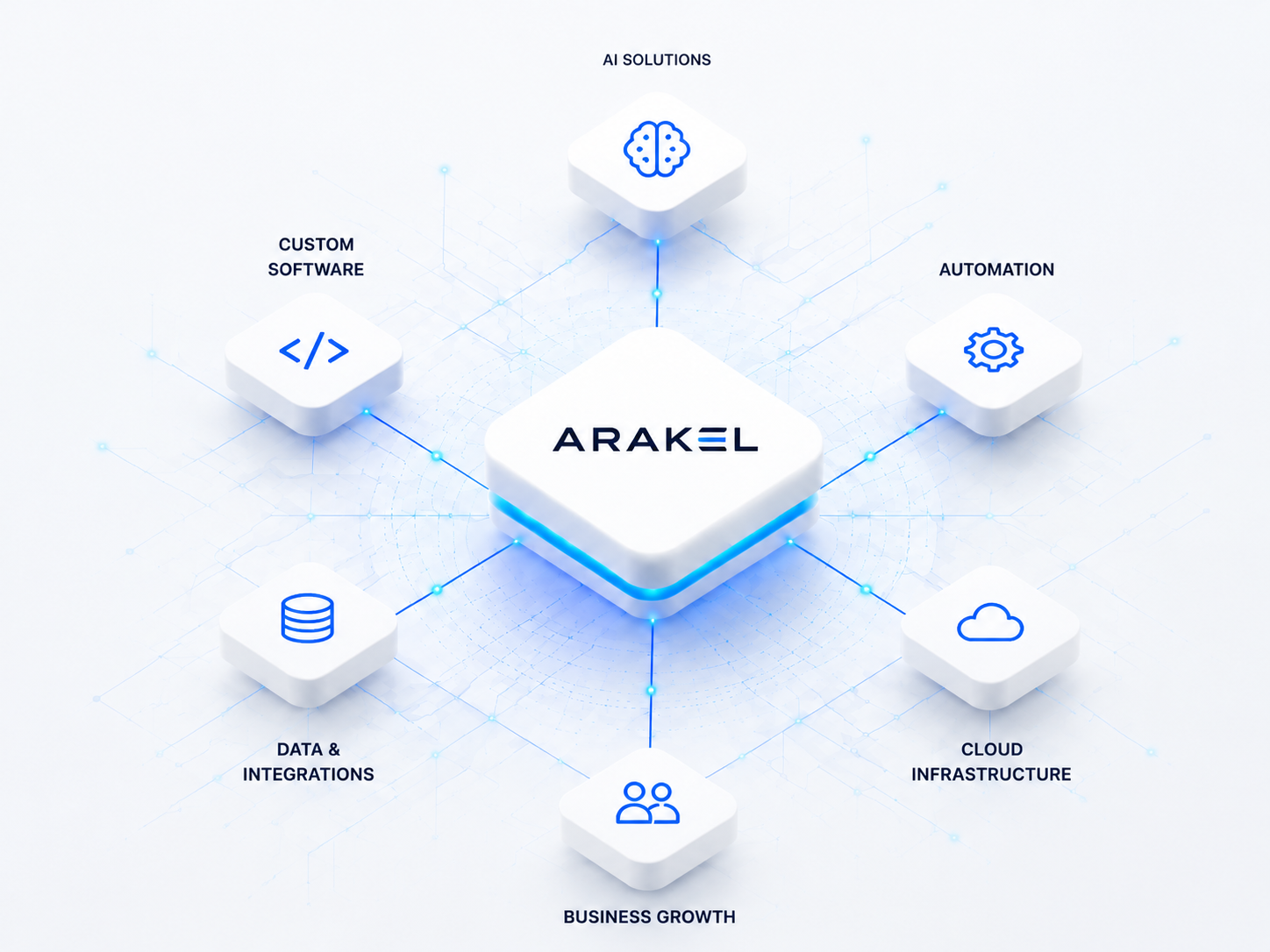
Arakel provides end-to-end Sales CRM development services for Miami-based organizations and distributed teams. We combine systems engineering, data integration, and process design to replace fragmented tools with a unified sales platform that supports lead-to-close workflows.
Our team focuses on building CRM solutions that integrate with marketing systems, ERP/accounting, and custom business applications. We prioritize secure data flows, predictable performance, and automation that reduces manual work for sales operations and revenue teams.
Development is aligned to business outcomes: improving lead conversion, shortening sales cycles, and increasing forecast accuracy. Workstreams include requirements mapping, architecture design, API-driven integrations, automation rules, reporting, and deployment.
Capabilities
What We Deliver
Custom CRM Architecture & Data Model
Design a sales-focused data model and object relationships that reflect your products, pricing, territories, and commission structures. Establish canonical entities for accounts, contacts, opportunities, activities, and custom business objects.
Sales Process & Pipeline Automation
Automate lead routing, qualification checkpoints, opportunity stage transitions, and task orchestration to enforce sales discipline and reduce manual handoffs. Implement workflow rules, triggers, and time-based automation for consistent execution.
Systems Integration & API Engineering
Integrate the CRM with marketing automation, ERP, billing, and reporting platforms using robust APIs and middleware. Ensure reliable, idempotent synchronization, event-driven updates, and reconciliation patterns for critical business data.
User Interfaces & Mobile Access
Deliver role-based web and mobile interfaces optimized for B2B and field sales workflows. Provide configurable dashboards, inline editing, activity capture, and contextual views for sales reps, managers, and operations.
Testing, Security & Deployment
Implement automated test suites, data migration validation, role-based access controls, and secure deployment pipelines. Prepare release plans and rollback strategies for minimal disruption to live sales activities.
Reporting, Forecasting & Analytics
Build reporting layers and KPI dashboards for pipeline health, win rates, quota attainment, and churn indicators. Support exports and data feeds for advanced analytics or BI tools.
Support, Optimization & Iteration
Provide post-launch support, performance tuning, and incremental feature delivery informed by user adoption metrics and sales feedback loops.
AI-Assisted Sales Workflows (Advisory)
Advise on pragmatic AI features for sales enablement—lead scoring, activity prioritization, and insight generation—integrated responsibly into the CRM without disrupting core operations.
Problems We Solve
Common Sales CRM Challenges for Miami Companies
We address core friction points that prevent revenue teams from scaling: disconnected systems, inconsistent data, manual tasks, and inadequate reporting.
Approach
Sales CRM Development Process
Discovery & Requirements
Facilitate stakeholder workshops to map sales processes, data domains, integration touchpoints, and success metrics. Produce a prioritized backlog and target architecture.
Design & Architecture
Define the CRM data model, integration patterns, authentication, and deployment topology. Create wireframes for key user journeys and a technical design specification.
Development & Integration
Implement core CRM features, build API integrations, configure automation rules, and develop custom UI components. Use CI/CD practices for repeatable builds.
Testing & Data Migration
Execute functional, integration, and performance tests. Migrate and reconcile legacy records with validation plans and rollback procedures to protect live sales operations.
Deployment & Adoption
Deploy to production with cutover planning, provide training, and enable monitoring. Collect adoption metrics and iterate on the backlog for continuous improvement.
Miami-Focused
Why Miami Companies Choose Local CRM Engineering
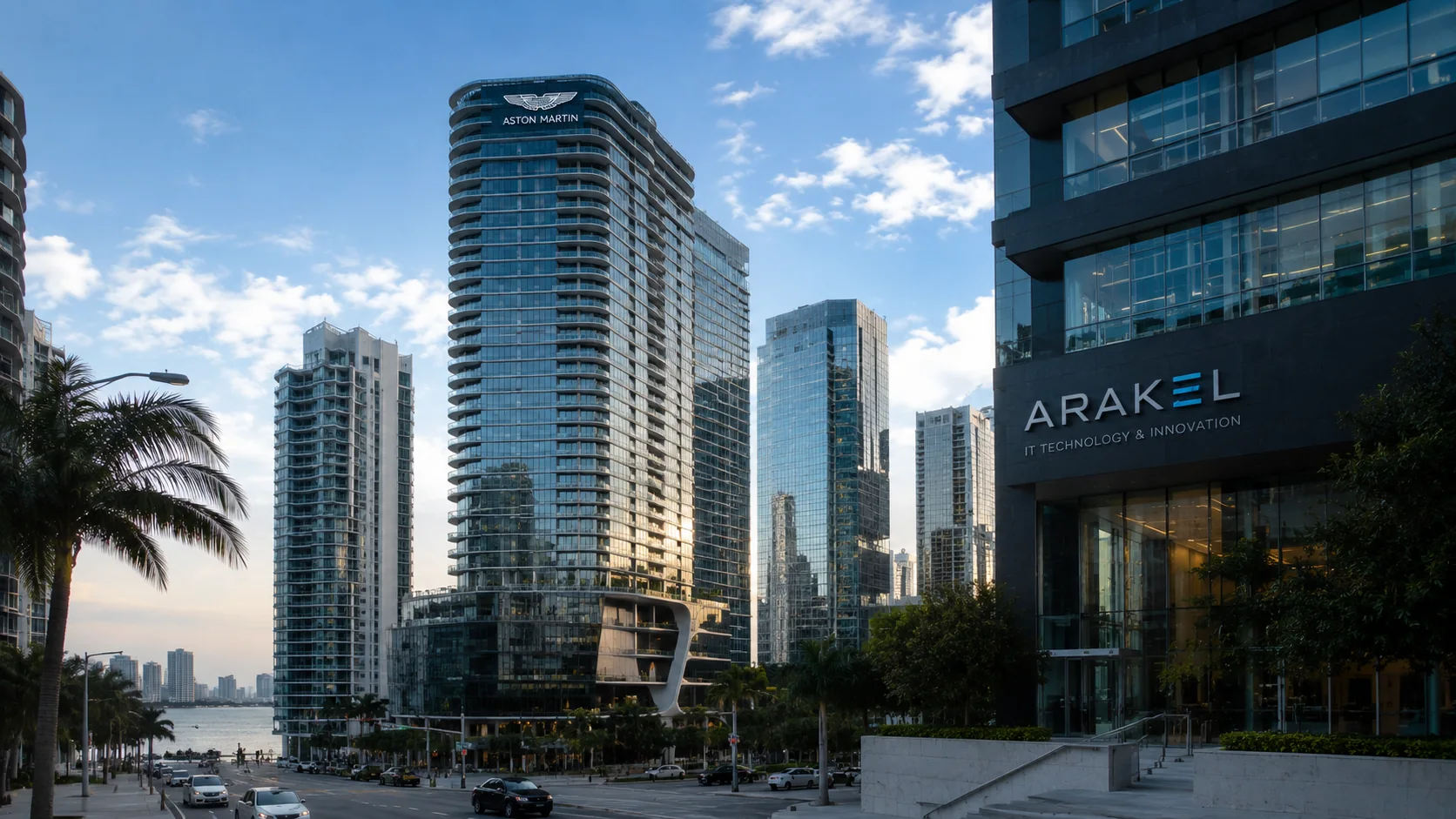
Proximity matters for alignment on sales playbooks, compliance expectations, and rapid iteration. Arakel's Miami engineering presence supports on-site workshops, cross-functional meetings, and hands-on coordination with sales and operations teams.
We understand the local business environment and work schedules, allowing for efficient deployment windows and timely stakeholder engagement. Our approach balances remote engineering productivity with on-premise collaboration as needed.
Local deployment and integration planning consider regional partners, payment processors, and business systems commonly used by Miami companies to minimize friction and accelerate time-to-value.
FAQ
Common Questions About Sales CRM Development
How long does a custom sales CRM implementation take?
Timelines vary by scope. A focused implementation with core sales objects and integrations can take 8–16 weeks, while enterprise deployments with complex integrations and migrations typically require a multi-phase engagement. Discovery defines a reliable schedule.
What drives the cost of CRM development?
Primary cost factors are integration complexity, data migration volume and cleansing, custom UI components, automation rules, and the number of concurrent user roles and permissions. We provide scoped estimates after the discovery phase.
Can you integrate the CRM with our ERP and marketing stack?
Yes. We engineer API-driven integrations, middleware adapters, and event-based syncs to connect CRMs with ERP, accounting, billing, and marketing automation platforms while preserving data integrity and performance.
How do you handle data migration and reconciliation?
We develop extraction and transformation routines, apply deduplication and normalization rules, and run staged migrations with reconciliation reports. Validation plans and rollback strategies protect production operations during cutover.
What security measures are implemented for CRM systems?
We design role-based access controls, encryption for data at rest and in transit, audit logging, and secure authentication mechanisms. Security design is integrated into architecture reviews and testing plans.
Do you provide post-launch support and feature iterations?
Yes. Post-launch options include support SLAs, monitoring, performance tuning, and iterative delivery cycles to add enhancements based on user feedback and evolving business requirements.
Can AI features be added to the CRM?
Advisory and engineering services are available to integrate AI-assisted capabilities—such as lead scoring and activity prioritization—implemented conservatively to augment workflows without disrupting core systems.
How do you ensure user adoption among sales teams?
We focus on workflow alignment, minimizing required data entry through automation, delivering role-based UIs, and conducting targeted training sessions to embed CRM usage into daily sales routines.
Get Started
Build a Sales CRM That Scales with Your Business
Arakel delivers engineered Sales CRM solutions for Miami organizations that require dependable integrations, automation, and analytics. We combine pragmatic architecture with disciplined delivery to reduce friction in your revenue operations and enable predictable growth.
Analyze My ProjectReady for a discovery workshop, Need integration assessment, Interested in a phased CRM rollout, Request a technical specification